
Marine
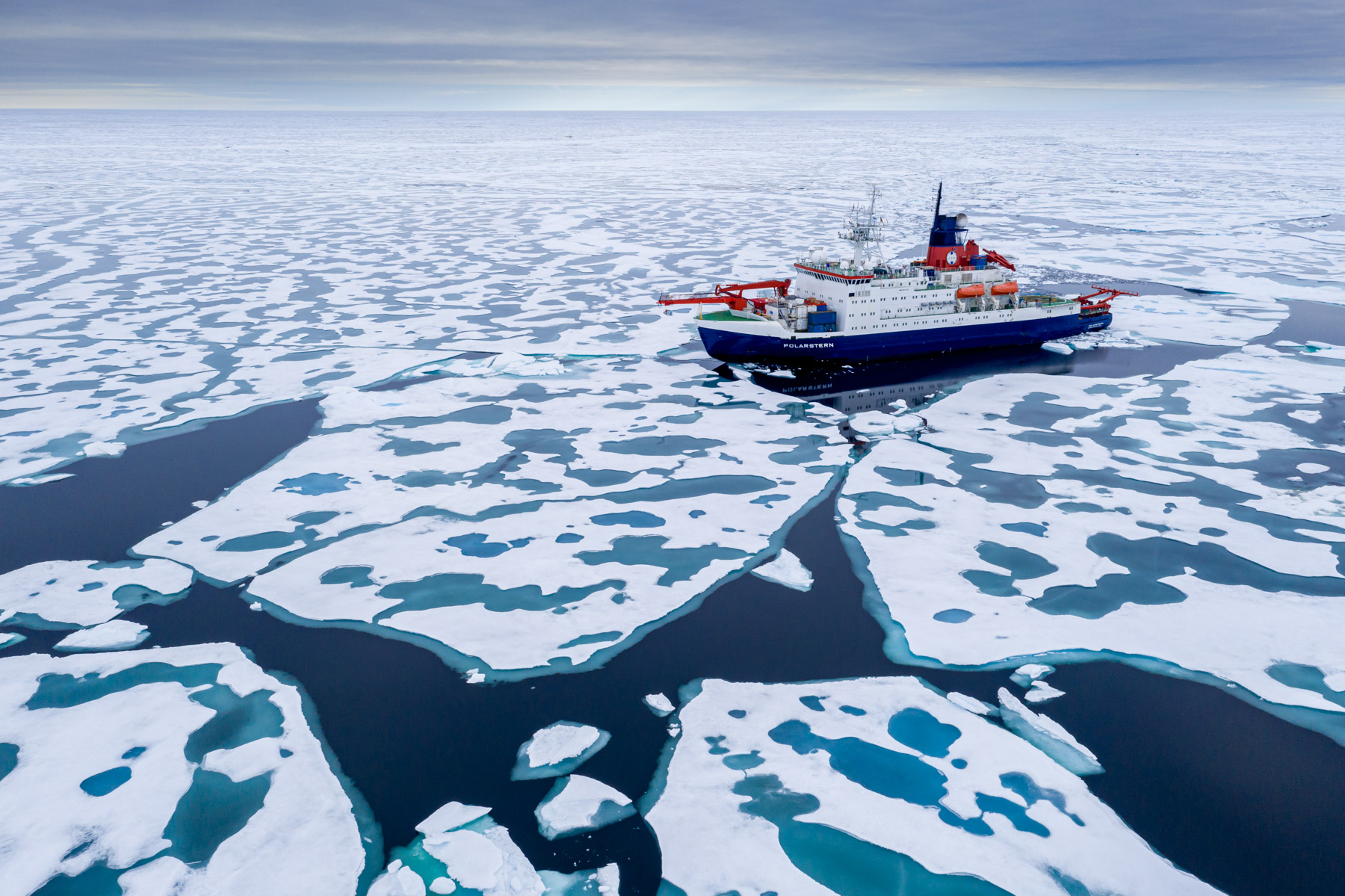
Oliver Sievers and Jens Kieser report from the MOSAiC expedition of the German vessel Polarstern in the Arctic Sea.
Meteorologists and weather technicans from the German Meteorological Service (DWD) attended the entire MOSAiC expedition, the largest-scale Central Arctic research expedition of all time. They were responsible for permanent weather observations and daily meteorological forecasts for scientists, ship master and officers, as well as helicopter pilots. Our presentation will report about personal experiences of a meteorologist on board of the research icebreaker POLARSTERN, with the focus on the daily work of the forecaster and the importance of using satellite images in Polar Regions.
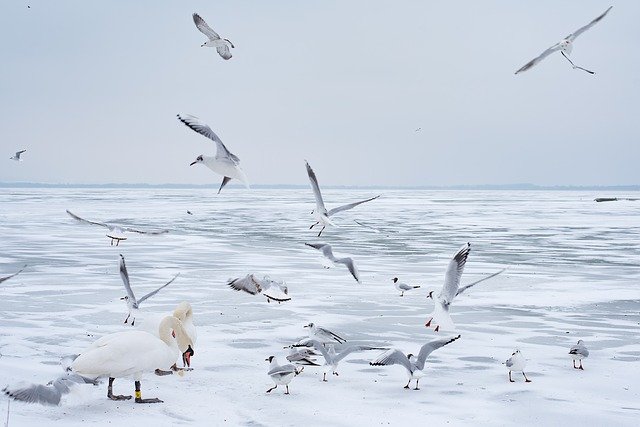
Ákos Horvath talks about ice formation on Lake Balaton and the dependence from local wind and weather.
Lake Balaton is the largest lake in the Carpathian Basin. The shallow lake (with 3.5 m mean depth) responds to the weather rapidly: in hot summers the water temperature increases above 25 °C, and at colder winters thick ice (20-40 cm) appears on the lake surface. The formation of the ice depends very much on the weather. Glassy ice forms when after a cold front passage in the night the wind and waves calm down and the previously mixed up and supercooled water freezes rapidly. During longer cold and windy weather period, ice appears in forms of ice floes, frozen to each other. This presentation tries to give an overview of the metamorphosis and special dynamic of the Balaton ice.
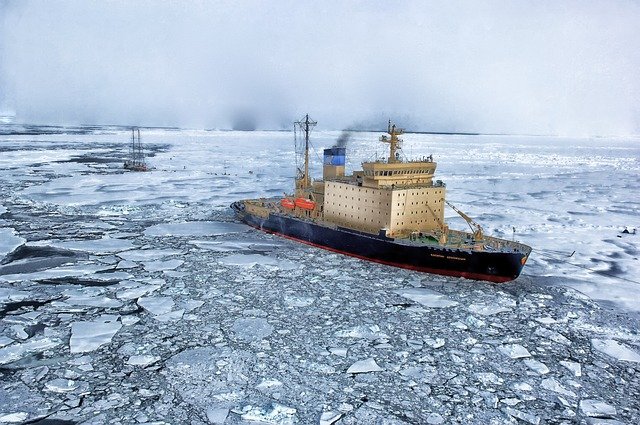
Steinar Eastwood presents the OSI-SAF products and shows climatological applications of the data.
The sea ice products from the EUMETSAT Ocean and Sea Ice Satellite Application Facility are widely used. In this presentation the sea ice products will be presented and examples of use in operational numerical weather and ocean modelling will be given.